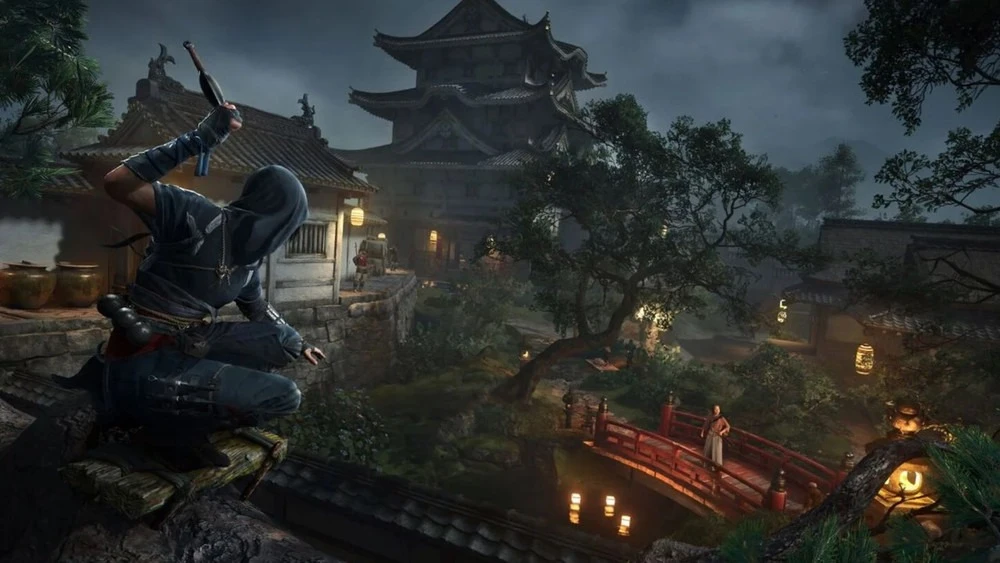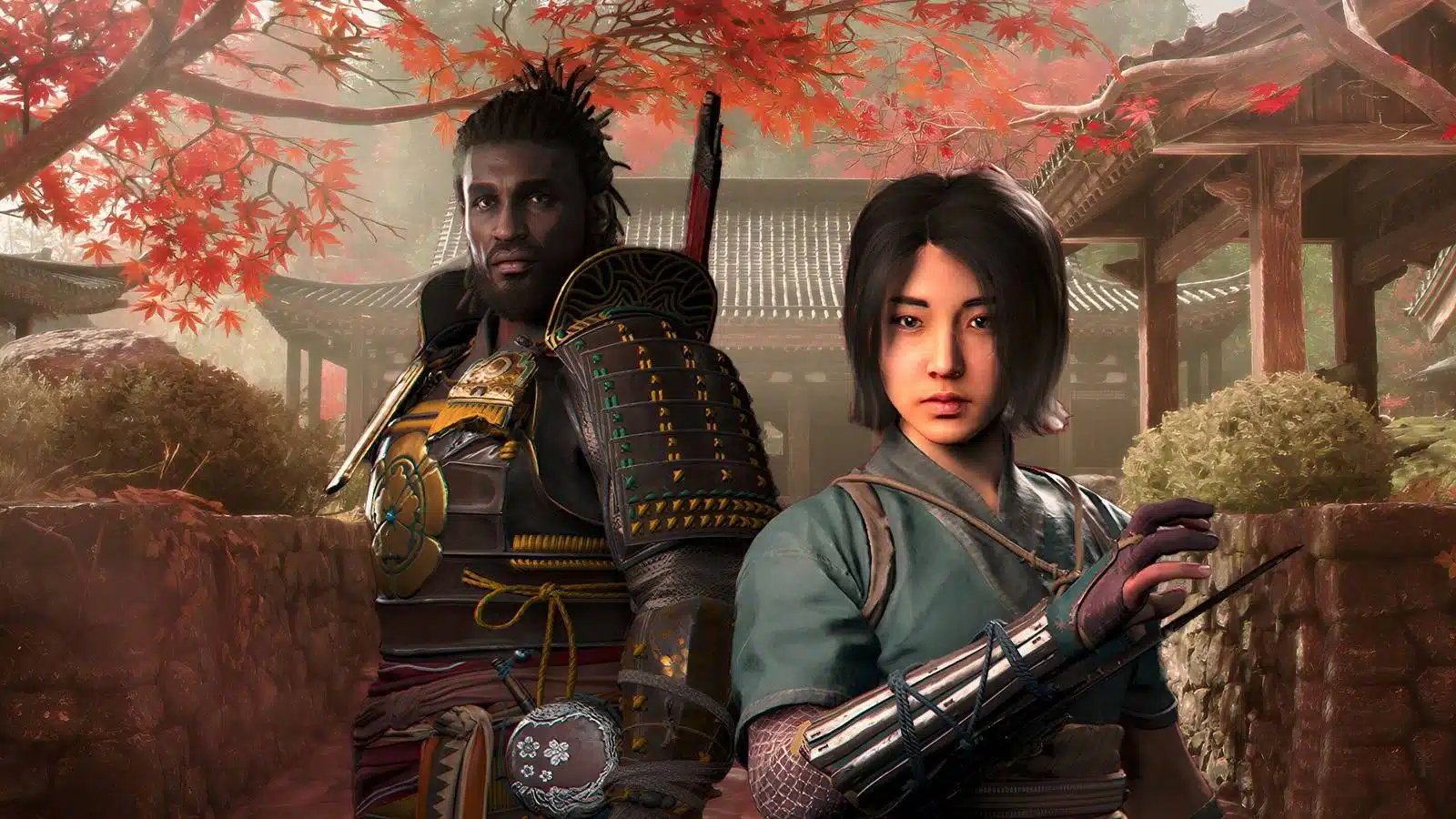
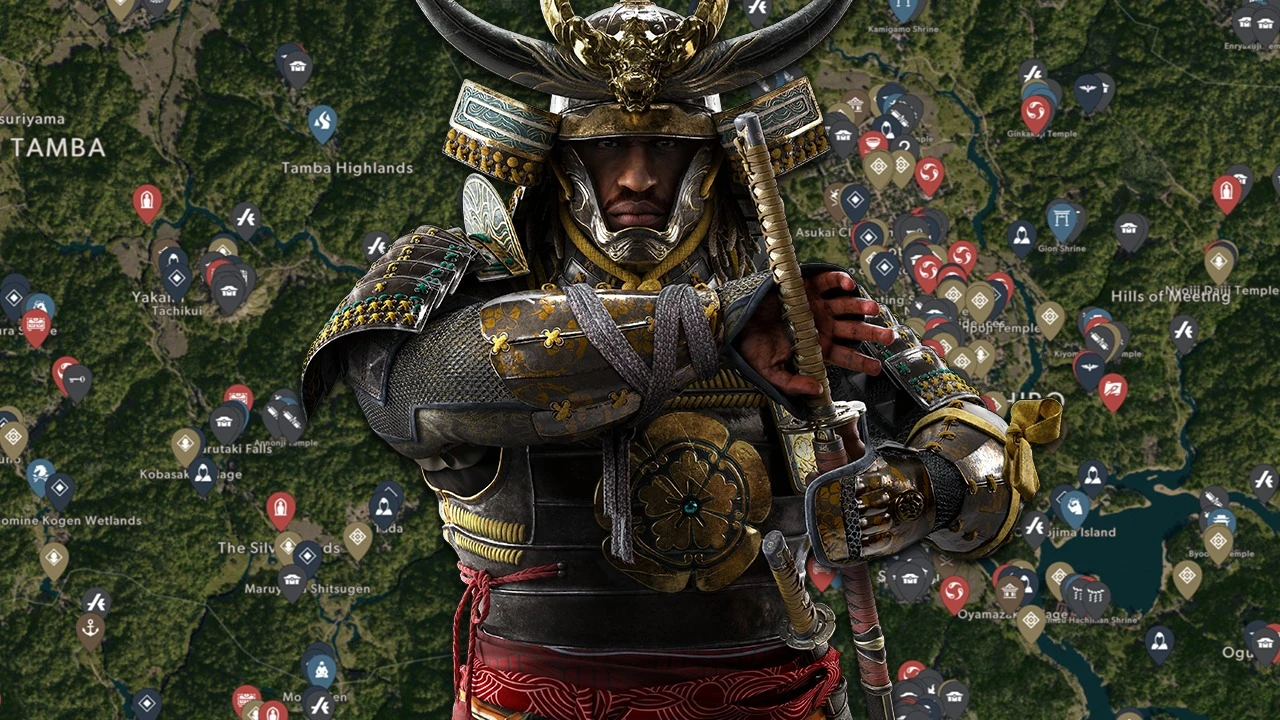
Assassin’s Creed: Shadows makes it clear from the first hour that the map is more than just a background for missions. It’s a living system with many secrets.
Players who take their time and explore the map will be rewarded with more than just experience points or loot. InGameTor highlights the hidden content Ubisoft hides outside of the main path. AC Shadows provides one of the best examples of Ubisoft’s design philosophy.
The exploration in AC Shadows has a strong connection to the narrative depth, world building, and mechanical progress. The lore that is hidden in mysterious ruins, hidden shrines, abandoned buildings off main roads and mysterious structures can often provide a deeper understanding of the world than the main story.

You will begin to realize that the game is guiding you towards deeper mysteries by exploring all corners, instead of forcing you through only cutscenes.
Hidden Content That Rewards Curiosity
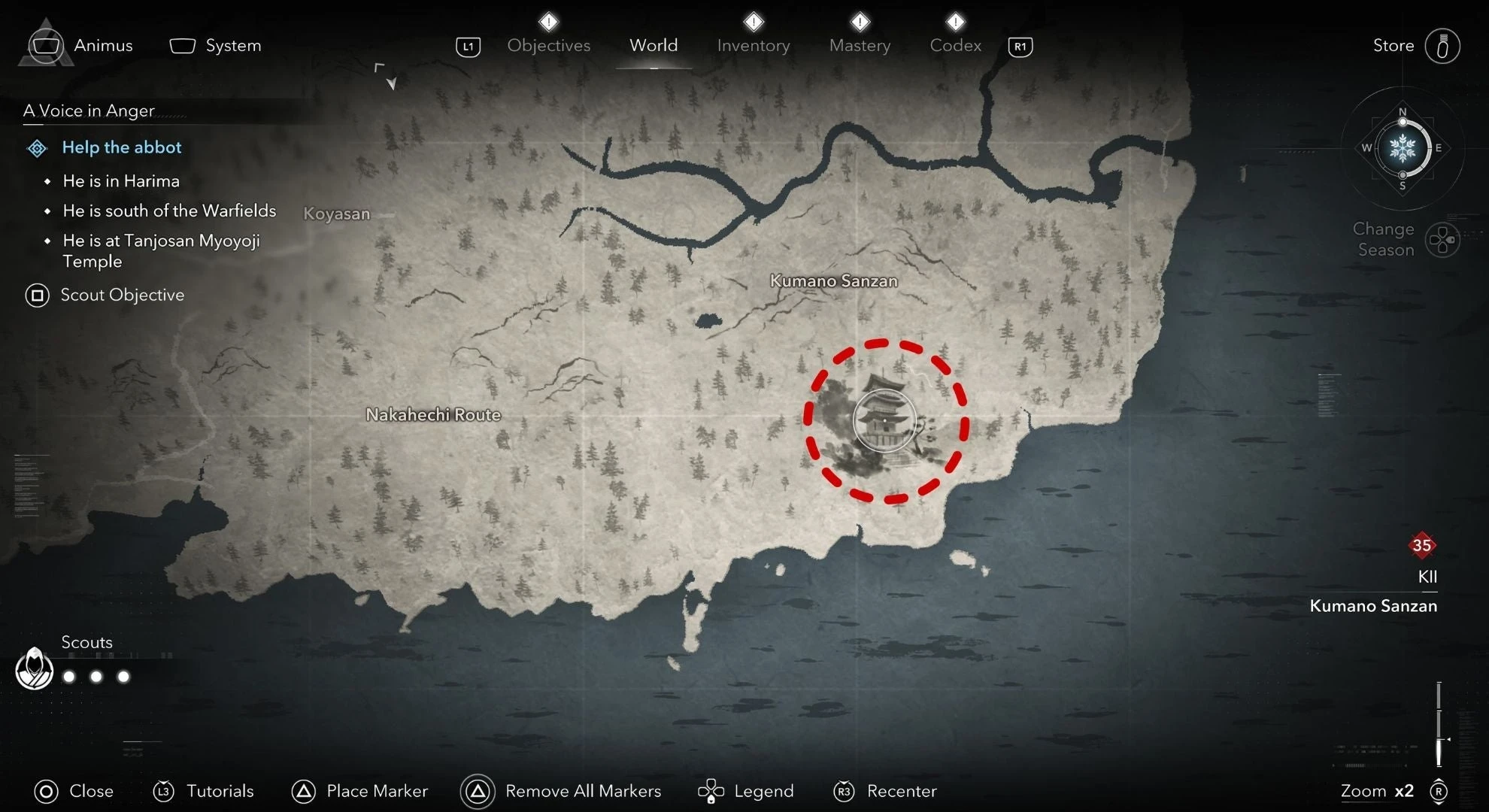
One of the main reasons to fully explore the map is the sheer amount of Optional content is never a requirement. Players are encouraged to pay attention to their surroundings as hidden caves, forgotten temples and locked mechanisms can be found in many regions. These locations contain unique upgrades, unique interaction, and cryptic symbols.
The Isu content that is hidden in the game world is a perfect example. If players pay attention to strange architecture or glowing symbol, they may encounter sealed doors which cannot be opened by brute force.
Understanding these mechanisms requires patience, observation and external knowledge. For example, a detailed guide for the Isu door puzzle – All glyph location – Assassin’s Creed Shadows that helps to connect scattered discoveries.
Exploration Strengthens Gameplay and Progression
Exploring the entire map has a direct impact on gameplay. You can miss out on many abilities, upgrades and crafting materials if you only follow the critical path. Once you find passive bonuses or tools in remote areas, some enemies are significantly easier to defeat.
The map design also trains the player subtly. You become more adept at reading the environment by navigating challenging terrain, solving puzzles and recognizing patterns.
Later in the game this skill is essential, especially for complex puzzles involving ancient civilizations such as the Isu. These challenges are often easier for players who have explored earlier.
The Map as a Storytelling Tool
AC shadows is a story-telling tool that uses geography to tell a story. Each region has a unique atmosphere, a distinct architectural logic, and a hidden narrative. A ruin may hint at an old conflict.
Meanwhile, a hidden viewpoint can show how places are connected spatially and historically.
The map becomes more narrative as you explore each corner. The smallest details, such as the placement of Isu technologies or recurring symbols, begin to create patterns. These patterns help prepare players for the late-game reveal and make complex puzzles seem more rewarding.
Long-Term Satisfaction Beyond the Main Story
Finaly, complete exploration extends the lifespan of the game. The world is still full of questions that remain unanswered and locations yet to be discovered, even after the main storyline has been completed. AC Shadows is a game that will appeal to completionists, lore lovers and those who enjoy completing quests.
When you take the time to investigate everything, the experience transforms from an action adventure into a journey of deep investigation. You’re no longer simply following objectives.
Instead, you’re uncovering history, deciphering cryptic symbols, and piecing a world together that rewards your attention and curiosity. Every corner on the map has a purpose in Assassin’s Creed: Shadows. Discovering that reason is the greatest joy of the game.