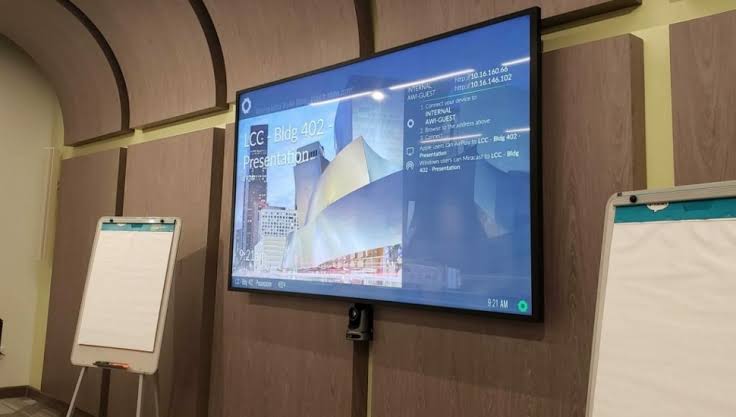
Introduction to Digital Signage
Digital signage has revolutionized the way businesses communicate with their customers, employees, and partners. By leveraging dynamic digital displays, businesses can deliver targeted messages, advertisements, and information in a visually engaging manner. This article explores the evolution of digital signage, its benefits, key technologies, industry applications, and future trends, providing a comprehensive guide for business owners, marketing professionals, and technology enthusiasts.

Brief History and Evolution
The concept of digital signage dates back to the early 1970s when simple electronic signs began to replace traditional printed signs. These early versions were rudimentary, using basic LED technology to display static messages. However, as technology advanced, so did digital signage. The 1990s saw the introduction of LCD and plasma screens, enabling the display of more complex graphics and videos.

In the 2000s, the rise of the internet and advancements in display technology led to the development of networked digital signage systems. These systems allowed for remote content management and real-time updates, significantly enhancing their functionality and appeal. Today, digital signage encompasses a wide range of technologies, including interactive touchscreens, high-definition displays, and integration with artificial intelligence (AI) and the Internet of Things (IoT).
Definition and Overview
Digital signage refers to the use of digital displays, such as LED, LCD, or projection screens, to present multimedia content for advertising, information dissemination, or entertainment purposes. These displays can be found in various settings, including retail stores, corporate offices, transportation hubs, and public spaces. The content displayed can range from static images and text to dynamic videos and interactive applications, all managed through specialized software solutions.

Benefits of Digital Signage for Businesses
Digital signage offers numerous advantages that can significantly enhance business communication and engagement. Here are some key benefits:
Enhanced Customer Engagement
One of the primary benefits of digital signage is its ability to capture and retain customer attention. Dynamic and visually appealing content can attract passersby, encouraging them to engage with the display. For instance, interactive displays in retail stores can provide customers with product information, promotions, and even virtual try-ons, creating a more immersive shopping experience.
Dynamic Content Capabilities
Unlike traditional signage, digital displays can be easily updated to reflect new promotions, events, or information. This flexibility allows businesses to keep their messaging fresh and relevant, without the need for costly reprinting. Content can also be tailored to specific audiences, times of day, or locations, ensuring maximum impact.
Cost-Effectiveness and ROI
While the initial investment in digital signage can be higher than traditional signage, the long-term cost savings are substantial. Digital signage eliminates the need for printing and distribution, reducing operational costs. Additionally, the ability to quickly update content minimizes downtime and ensures timely messaging. Studies have shown that businesses using digital signage experience increased sales and customer satisfaction, providing a strong return on investment (ROI).
Key Technologies in Digital Signage
The effectiveness of digital signage is largely dependent on the underlying technologies. Here are some key components:
Types of Digital Displays
Digital signage can utilize various types of displays, each with its own advantages:
- LED Displays: Known for their brightness and energy efficiency, LED displays are ideal for both indoor and outdoor settings.
- LCD Displays: Offering high-resolution images and videos, LCD displays are commonly used in retail and corporate environments.
- Projection Screens: Suitable for large-scale displays, projection screens are often used in events and public spaces.
Software Solutions for Content Management
Effective digital signage relies on robust content management systems (CMS). These software solutions allow businesses to create, schedule, and manage content across multiple displays from a central location. Features such as drag-and-drop interfaces, template libraries, and real-time updates streamline the content creation and deployment process.
Integration with Other Technologies
Digital signage can be enhanced through integration with other technologies, such as IoT and AI. IoT devices, like sensors and beacons, can collect data on customer behavior and environmental conditions, enabling more personalized and contextually relevant content. AI can analyze this data to optimize content delivery, ensuring that the right message reaches the right audience at the right time.
Use Cases and Industry Applications
Digital signage is versatile and can be applied across various industries to achieve different objectives. Here are some notable examples:
Retail
In the retail sector, digital signage can transform the shopping experience. Interactive kiosks provide customers with product information, inventory availability, and personalized recommendations. Digital displays can also promote sales, showcase new arrivals, and enhance brand storytelling, leading to increased customer engagement and sales.
Corporate Environments
In corporate settings, digital signage can improve internal communication and employee engagement. Displays in office lobbies and break rooms can share company news, performance metrics, and motivational content. Meeting room displays can show schedules and occupancy status, streamlining workplace operations.
Hospitality and Tourism
Hotels, restaurants, and tourism centers can benefit greatly from digital signage. In hotels, digital displays can provide guests with information about amenities, local attractions, and events. Restaurants can use digital menus to display dynamic pricing and promotional items, enhancing the dining experience. Tourism centers can offer interactive maps and guides to help visitors navigate and explore.
Healthcare
In healthcare facilities, digital signage can improve patient experience and streamline operations. Displays in waiting areas can provide health information, appointment updates, and wayfinding assistance. Interactive kiosks can help patients check in and access their medical records, reducing wait times and improving service efficiency.
Future Trends in Digital Signage
As technology continues to evolve, digital signage is poised to become even more impactful. Here are some future trends to watch:
Interactive and Touchless Interfaces
The demand for interactive and touchless interfaces is growing, driven by the need for safer and more engaging customer interactions. Technologies such as gesture recognition and voice control can enable touchless interactions, making digital signage more accessible and hygienic.
Personalized Content Through Data Analytics
Advancements in data analytics and AI will enable more personalized content delivery. By analyzing customer data, businesses can create targeted messages that resonate with individual preferences and behaviors. This level of personalization can significantly enhance customer engagement and loyalty.
Sustainability and Eco-Friendly Solutions
Sustainability is becoming a key consideration in digital signage. Energy-efficient displays, recyclable materials, and solar-powered solutions are being developed to reduce the environmental impact of digital signage. Businesses are also exploring ways to repurpose and recycle old displays, contributing to a more sustainable future.
Finally, let’s sum things up
Digital signage is a powerful tool that can transform business communication and customer engagement. Its dynamic content capabilities, cost-effectiveness, and integration with advanced technologies make it an essential component of modern business strategies. By adopting digital signage, businesses can enhance their brand presence, improve customer experiences, and achieve a strong return on investment.
If you’re looking to elevate your business communication and drive engagement, consider implementing digital signage solutions. Explore the latest technologies and trends to find the best fit for your needs. With the right digital signage strategy, you can create impactful and memorable experiences for your customers and employees.
Ready to transform your business communication with digital signage? Contact our team of experts today to discover how our cutting-edge solutions can help you achieve your goals. Let us help you create a dynamic and engaging digital signage strategy that drives results.