In the year 2025, companies rely on good data infrastructure in order to remain competitive. Having good data engineers plays a critical role in developing good pipelines and analytics. Poor quality data lose organizations a significant percentage of revenue annually, according to 70% of firms, as stated by Gartner. The demand for good talent in this field increased by 35% in the previous year alone. Companies that invest wisely on data engineering talent have projects delivered sooner and more ROI. For those who need professional help, professional data engineering solutions provide access to experienced engineers with proven skills. This article highlights the key competencies needed in order to maximize your data projects’ success.
Why Data Engineering Skills Have a Direct Impact on Your Project Results
Data engineers build, create, and optimize data pipelines that transform raw data into meaningful insights. Without strong expertise, your data platform collapses, leading to delay and unreliable analytics. A recent Forrester report discovered that organizations with advanced data engineering capabilities reduce data processing times by 50% or more, leading to decision-making directly. Skill gaps are most likely to produce data silos, formats, and pipeline failures. Understanding these problems enables you to determine the skills you need in order to avoid them.
Critical Skill #1: Mastery of Data Pipeline and ETL Process
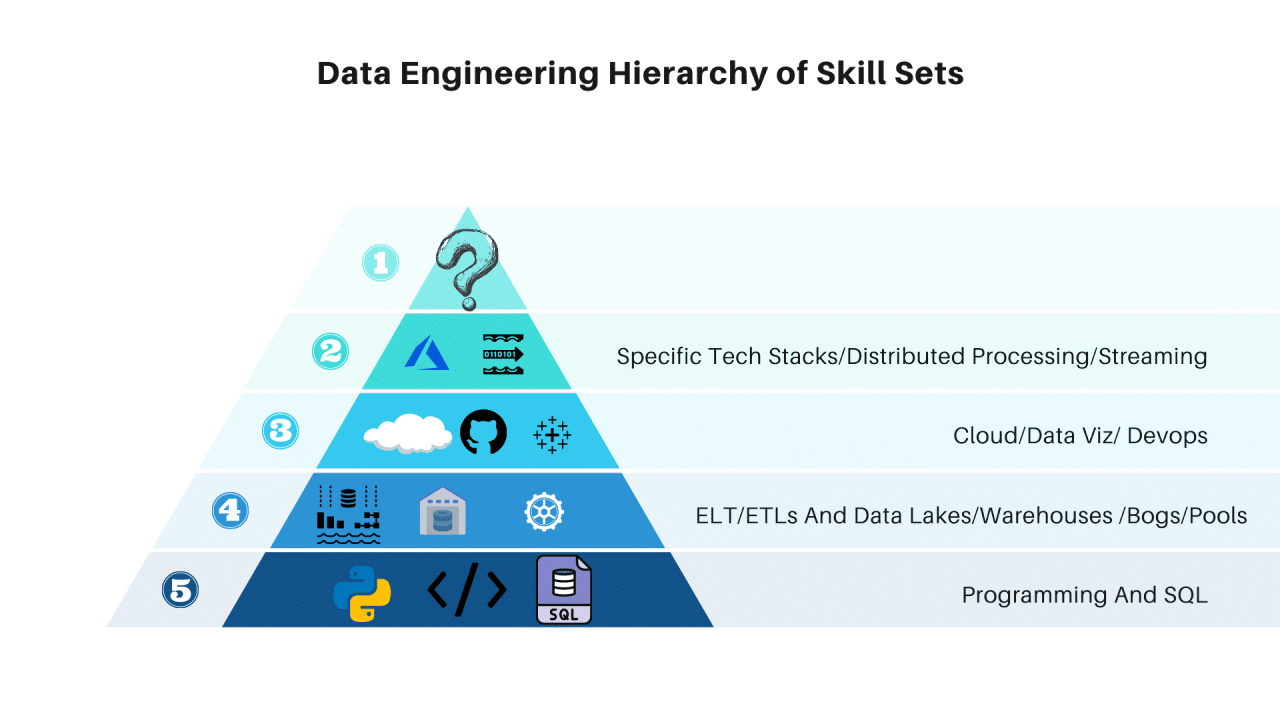
Solid pipelines and ETL (Extract, Transform, Load) operations are the foundation for every data project. Data engineers should have hands-on experience creating scalable pipelines that accommodate heterogeneous data sources. They should be well-versed in the functioning of tools like Apache Airflow, Apache NiFi, or AWS Glue. This ETL capability enables them to create automated ingestions, cleaning, and transformation with optimal data quality and minimum latency. Their opposites, which lack this capability, find themselves building fragile pipes that must be calibrated at runtime.
Critical Skill #2: Database Technologies and Query Language Expertise
SQL and NoSQL knowledge base. SQL still is the standard for structured data, but NoSQL databases like MongoDB and Cassandra have to handle unstructured or semi-structured data requirements. All the senior engineers are aware of schema design, indexing, and query optimizations. The retrieval of data would happen at a reasonable speed, and supports downstream analytics and reporting. According to a 2024 Stack Overflow survey of data engineers worldwide, SQL was cited as the leading skill.
Critical Skill #3: Big Data and Cloud Platform Experience
Cloud platforms such as AWS, Azure, or Google Cloud Platform are essential for data engineering today. Cloud-native data warehousing platforms such as Amazon Redshift, BigQuery, or Snowflake are even more preferred. Understanding of big data frameworks such as Apache Spark, Hadoop, or Kafka allows engineers to gain expertise in handling large-scale, streaming, and batch data workloads. As IDC’s 2025 report contends, scalability of big data and agility in the cloud are differentiation elements for initiatives that thrive.
Key Skill #4: Programming and Scripting Skills
Programming skills in such languages as Python, Scala, or Java are essential. Python is most prevalent because it is easy to use and has a mature data library ecosystem. Data engineers leverage scripting skills to automate tasks, tailor ETL logic, and improve performance. Code standards enable engineers to build components that are testable, maintainable, and reusable. According to LinkedIn’s 2024 Workplace Learning Report, no surprise on the list of data professional skills to learn in their skillset, programming led the way, and Python was the champion.
Critical Skill #5: Analytical Mind and Problem-Solving Ability
Besides technical skills, data engineers must know how to describe complex systems and repair pipeline bugs effectively. Analytical minds equip them to anticipate data bottlenecks and design scalable solutions. Problem-solving abilities reduce their downtime and maintain the integrity of data, especially in cases of emergencies. Effective communication abilities accompany these to enable smooth coordination with data scientists, analysts, and business stakeholders to translate technical solutions into business needs.
How Skills-Based Hiring Drives Your Data Engineering Success
The conventional method overemphasizes certification or broad experience at the cost of competencies. Skills-based hiring, practiced by companies that hire skilled data engineers, focuses on demonstrated competency in developing and maintaining quality data systems. Skills-based hiring aligns talent with project demands to prevent inefficient mismatch. Hiring data engineering consultants allows this by providing experienced professionals with a history of success. It guarantees your project reaps the rewards of instant impact over a drawn-out ramp-up period.
Avoiding Typical Hiring Errors: What to Watch Out For
Be cautious of candidates with generic experience claims and narrow experience in fundamental areas like ETL or cloud platforms. Avoid hiring based on buzzwords or tool knowledge without assessing problem-solving ability. Mismatched expectations of work — placing data engineers on sophisticated data science work, for example — lead to disappointment. Comprehensive job descriptions and technical interviews covering key skills make candidate selection easier and improve retention.
Conclusion
Hiring the correct data engineers is paramount to your technology projects’ success. Emphasis on pipeline architecture, database administration, cloud architecture, coding, and analytical problem-solving skills gives you a strong and scalable data infrastructure. Hiring experienced data engineering services gets you in line with professionals who deliver quantifiable value. Strategic recruitment of these key skills shortens project delivery times, enhances data quality, and results in better business outcomes. Invest in your data personnel to realize the highest value of your data assets.