In healthcare, providing excellent patient care is always the top priority—but without financial stability, even the best providers can’t continue to operate. That’s where revenue cycle management services come into play. These services ensure that medical practices, hospitals, and health systems get paid accurately and promptly for the care they deliver.
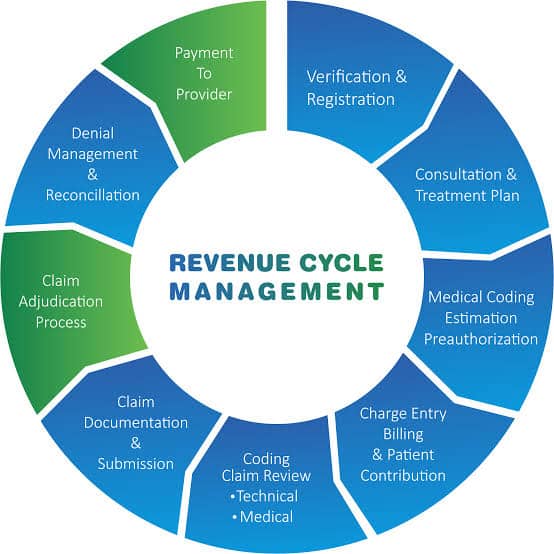
The revenue cycle is a complex process involving multiple steps: from patient registration and insurance verification to coding, billing, claims submission, and payment collection. Errors or inefficiencies at any stage can lead to delayed payments, denied claims, or even lost revenue. Revenue cycle management (RCM) services are designed to streamline these processes, allowing healthcare providers to focus more on their patients and less on administrative stress.
What Are Revenue Cycle Management Services?
Revenue cycle management services are a collection of processes and tools used to manage the financial lifecycle of a patient encounter. The cycle begins when a patient schedules an appointment and ends when the provider receives full payment for the services rendered.
RCM services may be handled internally by a practice’s administrative team or outsourced to a specialized firm. Either way, the goal remains the same: to improve efficiency, reduce errors, and ensure the organization is being properly reimbursed for every service delivered.
The key components of revenue cycle management services typically include:
- Patient scheduling and insurance verification
- Medical coding and charge capture
- Claims submission and follow-up
- Denial management and appeals
- Payment posting and patient billing
- Reporting and performance analytics
Why Are Revenue Cycle Management Services Important?
In a perfect world, delivering care would be enough to guarantee payment. But in reality, healthcare billing is full of complexities. Different payers have different rules. Coding systems change regularly. And patients are taking on more financial responsibility than ever before. Without effective RCM services in place, revenue leakage is almost inevitable.Here’s why these services are so critical:
1. Reduce Claim Denials and Rejections
One of the most common challenges healthcare providers face is claims being denied or rejected by insurers. These issues often stem from minor errors—like incorrect patient information, missing codes, or improper documentation. RCM services use technology and trained professionals to catch these mistakes early, improving clean claim rates and reducing the administrative burden of rework.
2. Improve Cash Flow
Timely reimbursement is essential for maintaining a healthy operation. Revenue cycle management services optimize billing and collections workflows to reduce delays and speed up the time between service and payment. Better cash flow means more resources to invest in staffing, equipment, and patient care.
3. Ensure Compliance and Minimize Risk
Healthcare billing is highly regulated, and mistakes can result in penalties or audits. RCM services help ensure that coding and documentation are accurate and up to date with current regulations, reducing the risk of compliance violations.
4. Free Up Staff Time
By automating manual processes and handling billing tasks efficiently, RCM services allow clinical and administrative staff to focus on what they do best—caring for patients and managing day-to-day operations.
5. Provide Insight Through Analytics
Modern RCM platforms often include reporting tools that track key performance indicators such as denial rates, average reimbursement time, and collections performance. These insights allow healthcare leaders to identify bottlenecks, adjust strategies, and improve financial outcomes.
The Changing Landscape of Healthcare Billing
Revenue cycle management is no longer just about processing claims. With the rise of value-based care, consumer-driven healthcare, and digital transformation, the expectations for RCM services are higher than ever.
– Patient Payment Responsibility
As high-deductible health plans become more common, patients are now responsible for a larger share of their medical bills. RCM services must adapt by offering transparent billing, flexible payment options, and better communication around out-of-pocket costs.
– Integration with Electronic Health Records (EHRs)
Seamless integration between RCM systems and EHRs ensures that billing data is accurate and timely. When the clinical and financial sides of a practice work together, the result is more consistent documentation and fewer coding errors.
– Automation and Artificial Intelligence
Many RCM services now incorporate automation and AI to streamline processes like charge capture, claims scrubbing, and denial tracking. These technologies help reduce administrative overhead and increase accuracy without requiring constant manual oversight.
Best Practices for Effective Revenue Cycle Management
To get the most from revenue cycle management services, organizations should follow a few core best practices
- Verify patient information and insurance coverage upfront
- Invest in staff training on coding and documentation
- Monitor KPIs and use data to guide decision-making
- Engage patients early with clear financial communication
- Audit billing processes regularly to identify errors and inefficiencies
Whether handled in-house or through a third-party partner, effective RCM is built on consistency, transparency, and ongoing optimization.
Final Thoughts
In today’s healthcare environment, managing revenue is just as important as managing care. Providers can’t serve their communities or grow their services without a steady, predictable cash flow. That’s why revenue cycle management services are more than just a back-office function—they’re a core part of a healthcare organization’s long-term success.
By combining technology, strategy, and expertise, RCM services help providers capture every dollar they’ve earned while maintaining compliance and improving the patient experience. In a system as complex and demanding as healthcare, that kind of support isn’t just helpful—it’s essential.